


In the early hours of the morning, I arrived at the Ottawa airport excited, nervous, and ready for our second Action Canada study tour. My co-Fellow Alexia had flown down from Iqaluit the night before, only to head back north to the western Arctic. Before we had even boarded, I was reminded of how big our country is.
My head was full of questions. What would the North teach us that Ottawa could not? In Québec City, our cohort had asked where Indigenous communities fit in debates about sovereignty, and what exactly counts as the Arctic. Is it a line on a map, a set of cultural practices, or a shared political decision? We were still putting the pieces together.
In Whitehorse, Jen Gehmair, the territorial Minister of Economic Development, Tourism and Culture, introduced us to Yukon governance. But it was Council of Yukon First Nations Grand Chief Math’ieya Alatini, speaking at Action Canada’s annual lecture on reconciliation, who reframed the week. I was struck that she saw the growing defence agenda as part of asserting sovereignty. I had always filed defence under Ottawa and NATO, not as something Northern and Indigenous communities might shape themselves. These conversations usually happen in Ottawa. Grand Chief Alatini brought them back to the people living with the decisions.
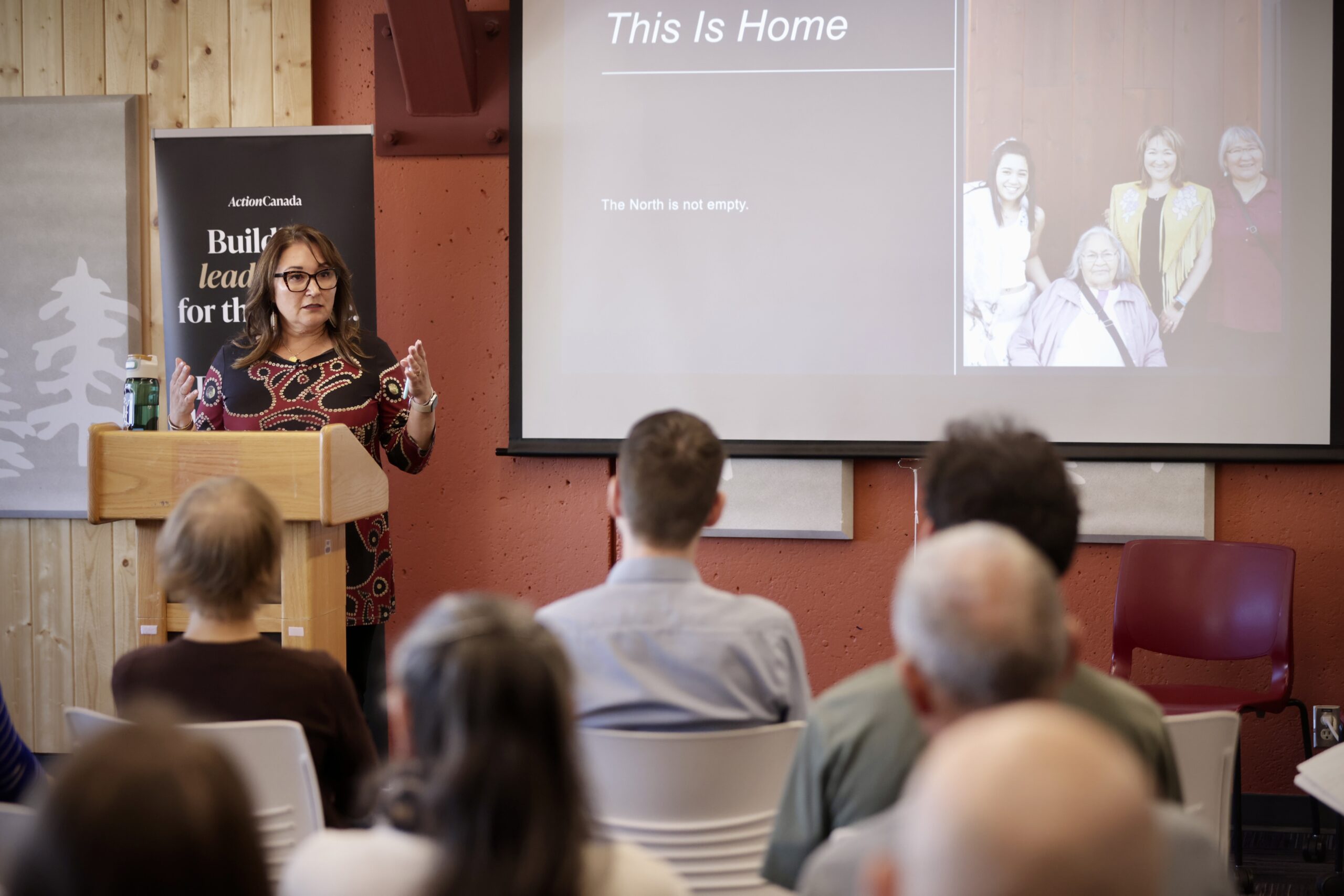
In Carcross, sovereignty was measured in generations, not government terms. Our discussion there came back to one simple message: we must think about the seven generations ahead of us, and behind us. With every decision you make, you bring your parents, your grandparents, and the lessons of the past. You need to pay it forward and think about the next people in your position. Later, we heard how Indigenous consultation and co-governance can put these ideas into practice on nation-building projects.
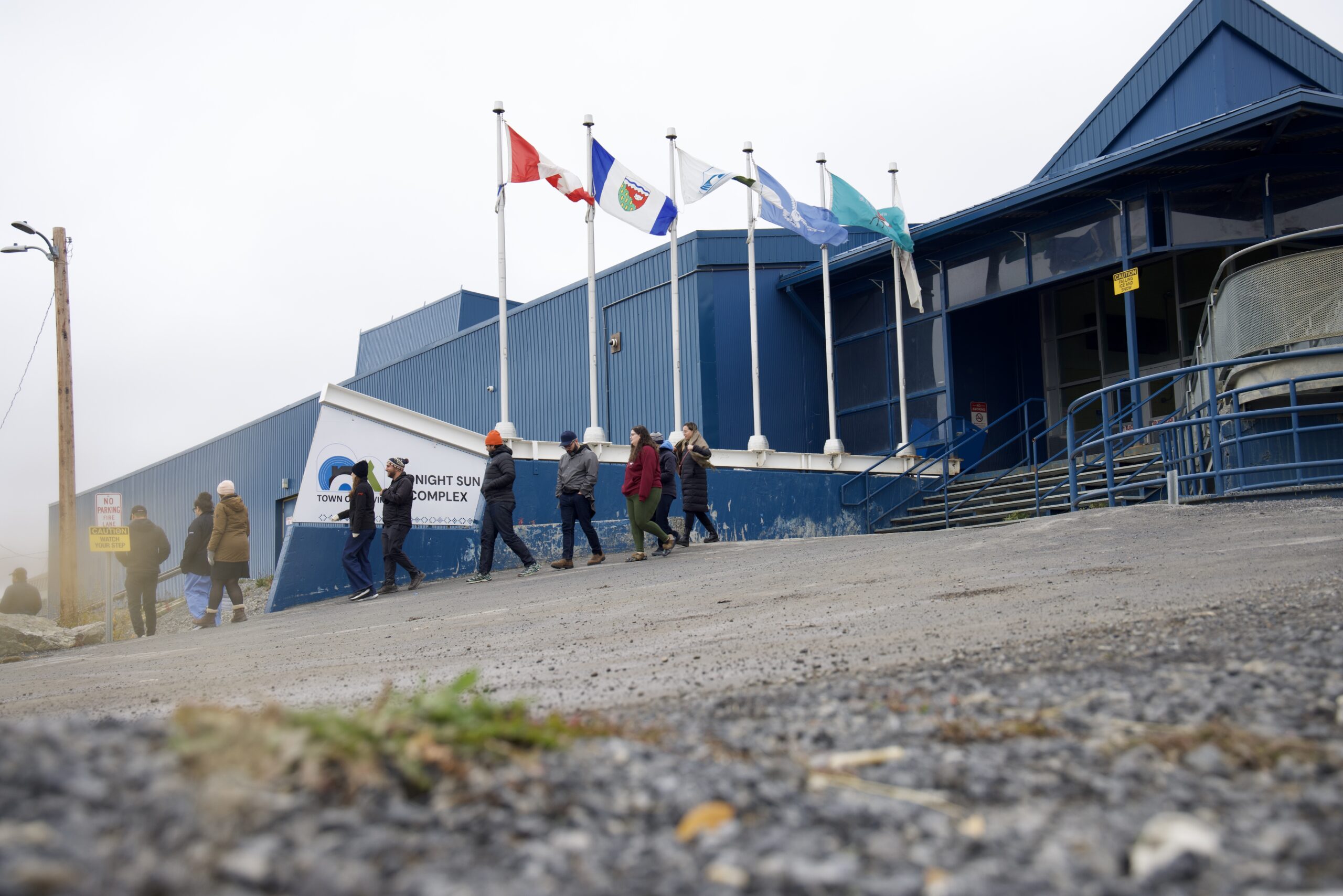
Then we went even farther north. In Inuvik, Northwest Territories, we were reminded that we were less than 2,000 km from the Russian border. Suddenly, our conversations on security and defence felt a lot less theoretical. Local researchers showed us how thawing permafrost threatens food and infrastructure. We also saw the community greenhouse, built inside an old hockey arena, that helps feed the town. Taking advantage of the North’s long summer daylight hours, sunflowers grew up to the rafters, in a place that experiences weeks without sunlight in winter. In a town that still depends on southern supply chains, this was sovereignty in practice: a community meeting more of its own needs.
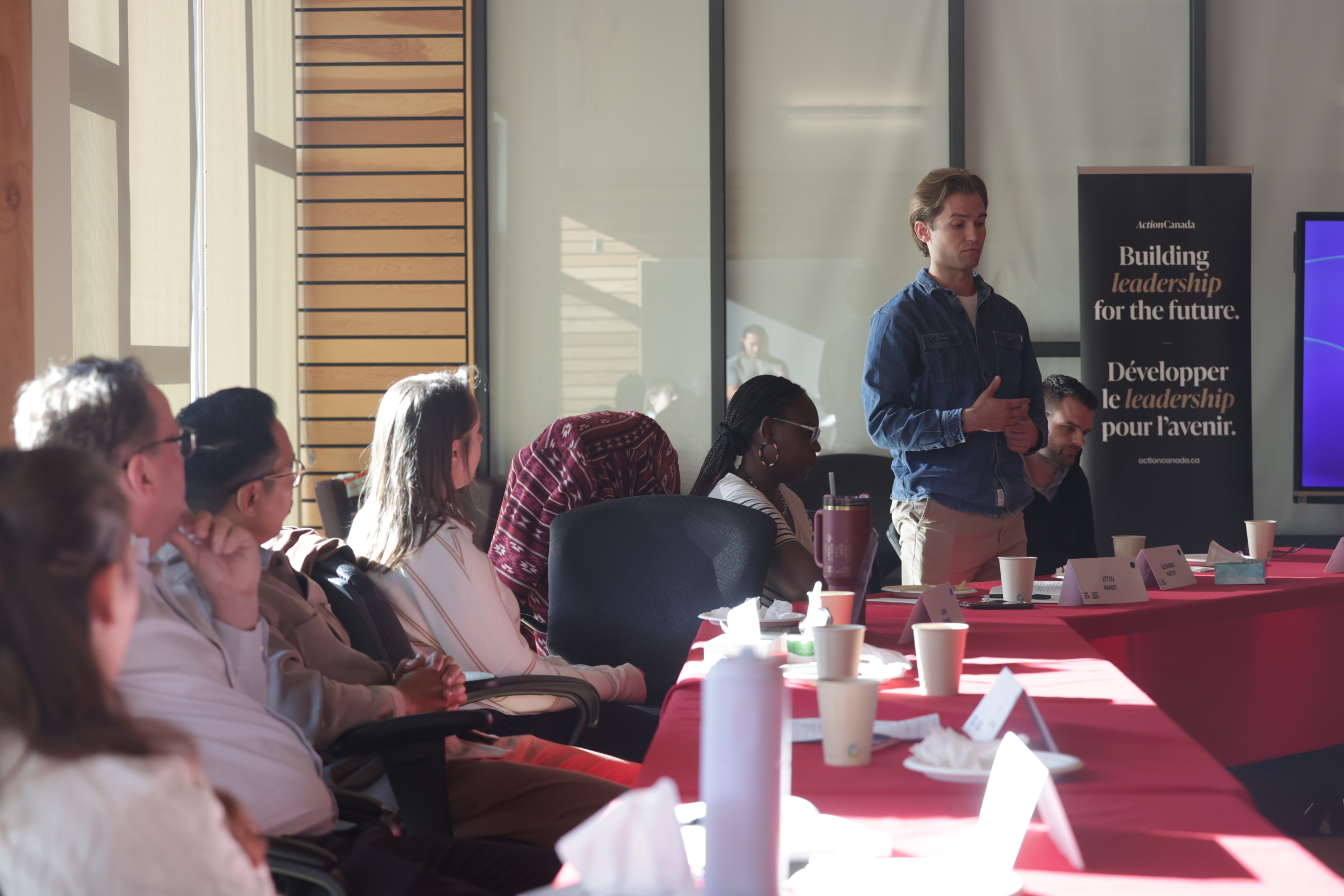
Back in Whitehorse late from Inuvik, I was at the airport again early the next morning, short on sleep and long on things to think about. In Ottawa, I had thought of Arctic sovereignty as something Canada declares at its borders. By the end of the week, I understood it through the people we met: those advancing self-government, growing food, doing research, and building trust. We are still putting the pieces together. But the leaders we met showed us how much Canada can learn by listening to the North, and by planning for those who will live with the decisions we make today.
